7 Startling Tulip Facts That Every Flower Enthusiast Should Know
Posted on 14/08/2025
7 Startling Tulip Facts That Every Flower Enthusiast Should Know
Tulips are much more than cheerful harbingers of spring--they are botanical marvels with a rich, colorful history and many fascinating secrets. Whether you're an avid gardener, a botany student, or simply a lover of beautiful blooms, tulips offer more than meets the eye. Delve into these 7 startling tulip facts every flower enthusiast should know, and uncover the remarkable world hidden within this beloved bulb!
1. Tulips Were Once Worth More Than Gold
When talking about the most valuable flowers in history, tulips reign supreme. In the 17th century, the Netherlands experienced what is now known as "Tulip Mania," a period of speculative frenzy over tulip bulbs. The demand was so extraordinary that certain rare tulip varieties sold for more than the price of a luxurious Amsterdam canal house!
- Tulip bulbs became a symbol of wealth and status during this era.
- At the height of Tulip Mania, a single rare bulb could cost up to 10 times the annual income of a skilled craftsman.
This economic bubble burst spectacularly in 1637, marking one of the first recorded instances of a financial market crash. Today, tulip mania serves as a cautionary tale in economic circles worldwide.

2. There Are Over 3,000 Registered Tulip Varieties
If you think all tulips look the same, think again! The tulip genus (Tulipa) boasts more than 3,000 officially registered cultivars and continues to expand. Tulips come in nearly every color imaginable (except a genuine blue), with some boasting striped petals, feathered edges, and even double layers reminiscent of peonies.
Popular Tulip Classifications Include:
- Single Early Tulips - Classic cup-shaped blooms that herald the arrival of spring.
- Parrot Tulips - Striking, frilled, and feathered petals for dramatic garden displays.
- Double Late Tulips - Lush, peony-like forms prized for their opulence.
Whether you prefer bold reds, subtle pastels, or striped "Rembrandt tulips," there is a unique and eye-catching tulip variety waiting to surprise you!
3. Tulips Travelled the Silk Road From Asia to Europe
Tulips did not originate in the Netherlands as many believe. Their wild ancestors are native to a vast region stretching from Central Asia (including modern-day Kazakhstan and Mongolia) to the foothills of the Himalayas.
The Ottoman Empire was the first major civilization to cultivate tulips extensively. The word "tulip" is even believed to come from the Persian word delband, meaning "turban," inspired by the flower's shape.
- Tulips first arrived in Western Europe in the 16th century, when Ottoman diplomats gifted bulbs to Austrian botanist Carolus Clusius.
- Clusius began cultivating the bulbs in the Leiden University botanical gardens, and soon, the "tulip fever" swept across the Netherlands.
Today, the Dutch tulip industry is the largest in the world, but its origins are truly global.
4. Tulips Are Edible--But Use Caution!
Tulip petals are technically edible and, in times of hardship--most notably during World War II's Hunger Winter in the Netherlands--tulip bulbs became a last-resort food source. Baked, boiled, or ground into flour, tulip bulbs helped many survive famine when all other food sources vanished.
Important Edibility Notes:
- Only certain parts of tulips, under specific conditions, are safe to eat.
- The bulbs must be carefully cleaned and cooked to remove toxins. Eating raw or misidentified bulbs from stores may be dangerous.
- Some varieties contain allergens or substances harmful to pets or people.
While tulip petals are sometimes used as garnishes for salads and desserts, it's always best to consult an expert or use specially grown edible flowers.
5. Tulips Symbolize Love, Fame, and Renewal
The symbolism of tulips has evolved through the ages and cultures where they've bloomed. In many parts of the world, tulip bouquets declare love, hope, and renewal at the start of each spring, but meaning can differ by color and context.
Tulip Color Symbolism
- Red Tulips: Deep, passionate love
- Yellow Tulips: Cheerfulness, friendship, and hope
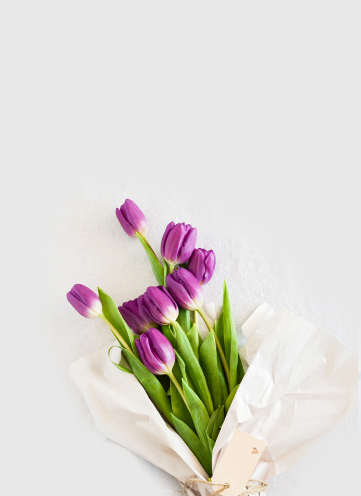
- Purple Tulips: Royalty and admiration
- White Tulips: Forgiveness or remembrance
In Ottoman courts, tulips were honored as a symbol of paradise on earth. *Even today*, gifting tulips can mean recognition, celebration, or admiration.
Tulips' simple shape and vibrant hues continue to inspire artists and lovers alike around the globe.
6. The Netherlands Is the Tulip Capital of the World
It's no surprise that Dutch tulips are celebrated worldwide. Each spring, the Netherlands transforms into a stunning tapestry of color, thanks to millions of blooming commercial tulip fields. The country accounts for the vast majority of global tulip bulb production and trade.
- Keukenhof Gardens, in Lisse, features over 7 million tulips in bloom, attracting visitors from every continent.
- The annual Bloemencorso Bollenstreek (Flower Parade) showcases floats adorned with magnificent tulip displays.
- Dutch tulip bulbs are exported to more than 100 countries and are the foundation of countless gardens worldwide.
The Dutch climate and expert horticulturists have perfected the craft of tulip growing. If you want to see tulips on a grand scale, a Dutch tulip festival is a true must-see.
7. Tulips Have Intricate Biological Adaptations
Tulips are more than just pretty petals: their biological adaptations help them thrive in challenging climate zones and fend off predators.
Some Amazing Tulip Biology Facts:
- Tulips undergo vernalization--the need for a cold winter period--necessary for blooming. This adaptation hails from their Central Asian origins.
- Their bulbs can survive drought and freezing, making tulips one of the hardiest ornamental flowers.
- Tulip "breaking"--those dramatic stripes and flames on petals--was long thought to be a desirable attribute. Science revealed these effects are often caused by infections with tulip breaking virus, which weakens the plant (hence, such bulbs are no longer propagated for commercial purposes).
True color variation in modern tulips now comes from careful hybridization, producing everything from soft pastels to bold, saturated hues.

Frequently Asked Questions About Tulips
Why are tulips so important in Dutch culture?
The Dutch golden age coincided with the rise of tulip popularity. Tulips became a symbol of national pride and economic prowess, leading to widespread cultivation, art, and celebration. Even today, tulip fields and festivals are integral to Dutch identity.
How long do tulips bloom?
While a tulip flower usually last about 1-2 weeks, you can extend your garden's tulip season by planting early, midseason, and late varieties. This way, you'll enjoy weeks of staggering color!
Do tulips return every year?
Tulips are technically perennials in their native climate conditions. However, most cultivated hybrids are grown as annuals, so replanting each year ensures the best display. Some "species tulips" do reliably perennialize in home gardens.
Conclusion: Why Tulips Captivate Flower Enthusiasts
From tulip mania's tales of wealth and heartbreak, to their astounding diversity and global history, tulips are among the most fascinating spring-blooming flowers on the planet. Whether you adore their delicate beauty, enjoy their rich symbolism, or marvel at their scientific complexity, these 7 startling tulip facts remind us why tulips continue to capture hearts--and gardens--century after century.
So, the next time you see a tulip bloom, remember: Tulips are more than just a pretty face--they're living legends with a remarkable story to tell.
Ready to plant your own tulip garden?
- Choose diverse tulip varieties for a longer bloom period.
- Ensure bulbs receive winter chill for spectacular flowering.
- Visit a nearby tulip festival or botanical garden and see these living wonders up close!
For more tips on growing tulips, interesting flower facts, and gardening inspiration, explore our blog and join the thriving community of flower enthusiasts worldwide!
Latest Posts
Three Quick Methods to Ensure Your Flowers Stay Lively
What Makes Red Roses the Quintessential Valentine's Bloom
Steps to Ensure Your Poinsettias Last All Winter
Flourishing Hydrangeas: Care and Love
7 Startling Tulip Facts That Every Flower Enthusiast Should Know