Your Go-To Guide for Caring for Fresh Cut Flowers
Posted on 30/05/2025
Your Go-To Guide for Caring for Fresh Cut Flowers
Fresh cut flowers can instantly brighten up any room, breathe life into your living space, and boost your mood. However, keeping those fresh blooms vibrant and beautiful for as long as possible can sometimes turn into a challenge. With the right care techniques, you can maximize the lifespan of your freshly cut flowers and enjoy their beauty for days or even weeks longer. In this comprehensive guide to fresh cut flower care, you'll learn the professional tips, tricks, and step-by-step care routines to keep your bouquets looking stunning and lasting longer.
Table of Contents
- Why Proper Flower Care Matters
- Essential Supplies You'll Need
- First Steps After Bringing Flowers Home
- The Perfect Water for Fresh Cut Flowers
- Trimming Stems for Maximum Longevity
- Removing Leaves and Thorns
- Choosing the Right Vase
- Optimal Placement and Environment
- Daily Care Routine
- Flower Food and Home Remedies
- Preventing and Treating Common Flower Issues
- Special Tips for Different Types of Flowers
- Frequently Asked Questions
- Prolong the Freshness and Beauty of Your Blooms
Why Proper Flower Care Matters
Caring for fresh cut flowers is not just about aesthetics - it's about maximizing your investment and the joy that flowers bring. Without proper care, your blossoms may wilt, discolour, or drop petals far sooner than expected. Effective flower care ensures that:
- Your home or office always looks fresh and inviting.
- You get the most value and enjoyment out of every bouquet.
- Bacteria and unpleasant odors don't develop in your vase water.
- The unique characteristics of each flower type are preserved.
Essential Supplies You'll Need
Before you begin, gather these basic flower care supplies:
- Sharp floral shears or scissors (to trim stems cleanly)
- A clean vase
- Room temperature water (filtered is best)
- Flower food (provided by your florist or DIY options)
- Sanitizing solution (like diluted bleach or white vinegar)
- Optional: A small knife for tough stems, and gloves to handle thorny flowers.
First Steps After Bringing Flowers Home
Starting your flower care routine on the right foot is crucial for longevity:
- Unwrap carefully: Remove plastic or paper packaging and rubber bands gently.
- Inspect for damage: Look for wilted, brown, or broken stems and discard them.
- Clean your vase: Wash with hot water and mild soap or a sanitizing solution. (This prevents bacteria that can shorten vase life.)
The Perfect Water for Fresh Cut Flowers
The water you use plays a significant role in preserving your fresh cut flower arrangements. Here's what to consider:
- Temperature: Most flowers prefer lukewarm, room-temperature water. Exception: Bulb flowers like tulips prefer cold water.
- Cleanliness: Change water daily to keep bacteria at bay and keep your bouquet vibrant.
- Water level: Fill the vase about 2/3 full and ensure stems are well-submerged, but not the leaves.
Pro Tip: If your local tap water is high in minerals or has a noticeable odor, use filtered or bottled water instead.
Trimming Stems for Maximum Longevity
Cutting stems correctly allows for better water uptake. To get the most from your freshly cut flowers:
- Always use sharp, clean shears.
- Trim at an angle: Cut each stem at a 45-degree angle to prevent them from resting flat on the vase bottom, which can block water absorption.
- Re-trim every 2-3 days: This helps remove clogging and refreshes the stem's water uptake surface.
- Cut under water: For extra longevity, cut stems under running water or submerge them during trimming to avoid air bubbles (embolism), particularly for roses.
Removing Leaves and Thorns
Leaves below the waterline rot quickly, creating bacteria that can kill flowers. To protect your fresh cut flower bouquet:
- Prune all leaves from the bottom 2-4 inches of the stem (anything that will sit beneath water).
- Remove any thorns that might break the stem or invite mold (especially for roses).
- Check every 1-2 days and remove fallen leaves or petals from the vase.
Choosing the Right Vase
The right vase for fresh flowers can mean the difference between perky or droopy blooms:
- Choose a vase that's tall enough so heavy flowers won't droop and the stems are well-supported.
- Wide vases: Best for big, mixed arrangements. Tall, narrow vases work well for long-stem flowers like lilies, roses, and tulips.
- Material matters: Glass or ceramic vases are easiest to keep clean and don't leach chemicals into the water.
- Avoid metal vases: These can react with flower food and water, impacting freshness.
Optimal Placement and Environment
Where you place your fresh cut flowers affects their lifespan and vibrancy:
- Keep out of direct sunlight, heat, and drafts.
- Flowers last longer in rooms below 75?F (~24?C).
- Avoid placing near fruit: Ripening fruit emits ethylene gas, which speeds up petal drop and wilting.
- Keep away from radiators, vents, or bright windows.
Daily Care Routine
Consistency is key when it comes to fresh cut flower maintenance:
- Check water level: Top up as needed.
- Replace water and clean vase: Every day or every other day.
- Remove dead petals/leaves: This prevents rot and bacterial growth.
- Re-cut stems: Every 2-3 days for optimal water uptake.
- Add flower food: Each time you replace the water.
Extra Care: For special blooms like roses, lightly mist the petals as needed for extra freshness.
Flower Food and Home Remedies
Most bouquets come with a packet of flower food, containing sugar (energy), bleach (bacteria control), and acid (pH balancing). If you run out, try these DIY flower food solutions:
- Classic recipe: 1 teaspoon sugar + 1 teaspoon white vinegar + 2 drops mild bleach per quart/liter of water.
- Lemon-lime soda: 1/4 cup added to vase water (skip "diet" versions).
- Crushed Aspirin: 1 tablet in vase water helps lower pH and fight bacteria.
Never use too much sugar or bleach--excess can harm flowers, not help.
Preventing and Treating Common Flower Issues
Even with the best care, problems can arise. Here's how to deal with the most common issues affecting cut flower arrangements:
- Wilting Flowers: Trim stems freshly and change water. Submerge entire flower (except the bloom) in water for one hour to revive.
- Cloudy or Smelly Water: Indicates bacteria. Clean vase and replace water immediately.
- Browning Petals or Leaves: Remove affected areas, and check for drafts, sunburn, or humidity.
- Dropped Petals: This is often due to ethylene gas or naturally aging blooms.
Special Tips for Different Types of Flowers
Different flowers have specific needs to extend their vase life. Here's a quick guide:
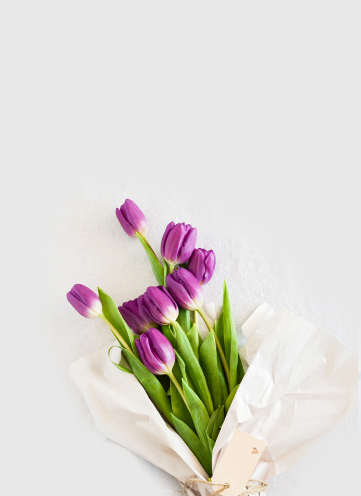
- Tulips: Prefer cold water and do best in tall, narrow vases. Re-trim stems daily.
- Daffodils: Release sap toxic to other flowers. Keep in their own vase for 24 hours before mixing.
- Roses: Remove all foliage below the water line. Cutting under water gives best results.
- Lilies: Remove pollen (stamens) to prevent staining and prolong flower life.
- Hydrangeas: Submerge entire blooms in cold water for a few hours to revive wilting heads. Re-cut woody stems at an angle.
- Sunflowers: Need lots of water--top off daily and use a sturdy vase.
When in doubt, ask your florist for care advice tailored to your bouquet.
Frequently Asked Questions
How long do fresh cut flowers last?
With proper care, most fresh cut flowers will last between 7-14 days. Some varieties, such as chrysanthemums and carnations, can last up to three weeks.
Can you revive wilted flowers?
Wilted blooms can sometimes be revived by trimming the stems and placing them in fresh, cool water, or by submerging them (stems and leaves) in water for up to an hour.
Is it possible to keep flowers fresh without flower food?
Yes! Change the water daily, trim stems, and remove dead matter to extend freshness. DIY flower foods like sugar + vinegar can also help.
Why does flower water get cloudy or smell bad?
This is due to bacteria. Clean the vase and replace the water immediately to keep your flowers fresh longer.
Prolong the Freshness and Beauty of Your Blooms
Fresh cut flowers are a joy to receive and display, and with the right care, they can brighten your space for as long as possible. Remember to:
- Trim stems at an angle and re-trim regularly.
- Keep water fresh, clean, and at the right temperature.
- Remove leaves and petals below the water line.
- Feed your flowers--don't forget the flower food!
- Store away from sun, drafts, and ripening fruit.
- Customize your care to the type of flowers you have.
By following these proven best practices for fresh cut flower care, you'll enjoy bolder colors, stronger stems, and longer-lasting arrangements. Whether you're brightening up your home or giving the gift of blooms, proper care helps you make the most of every petal.
For more expert advice and flower inspirations, keep exploring our guides - and let your flowers shine every day!


Latest Posts
Three Quick Methods to Ensure Your Flowers Stay Lively
What Makes Red Roses the Quintessential Valentine's Bloom
Steps to Ensure Your Poinsettias Last All Winter
Flourishing Hydrangeas: Care and Love
7 Startling Tulip Facts That Every Flower Enthusiast Should Know